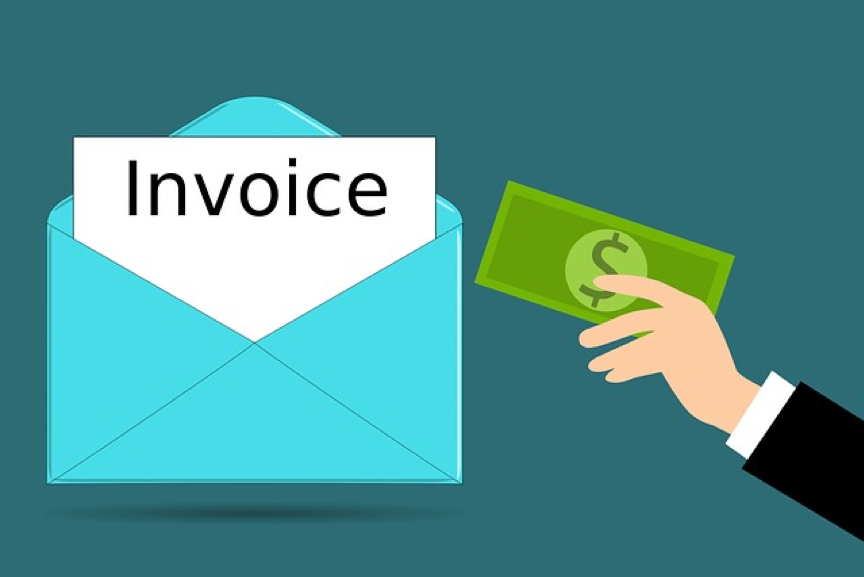
Late payments are not rare in the UK. They are routine.
Research from the Federation of Small Businesses shows that a significant number of small firms experience late payments, with billions of pounds tied up in unpaid invoices at any given time.
That is not just frustrating. It directly affects hiring, supplier relationships, and daily operations.
So the real question is simple:
How do you get paid faster without constantly chasing clients?
Why Late Payments Quietly Damage Growth
Late payments create more than a temporary gap.
- Working capital becomes unpredictable
- Businesses rely more on overdrafts or short-term borrowing
- Growth decisions get delayed
- Supplier relationships become strained
The UK Government recommends clear payment terms and formal agreements because inconsistent payments remain a widespread issue across SMEs.
Cash flow stability is not optional. It is essential.
1. Set Realistic and Enforceable Payment Terms
Many SMEs default to 30-day terms. Some extend to 60 days without reviewing the impact.
Under UK commercial practice, businesses can agree their own terms. If nothing is agreed, payment is typically expected within 30 days under the Late Payment of Commercial Debts regulations.
Practical adjustments:
- 7 to 14 days for new clients
- Deposits for first-time or higher-risk work
- Stage payments for longer projects
Shorter terms reduce exposure and set a professional tone from the beginning.
2. Remove Friction from the Payment Process
Delayed payments are often operational rather than intentional.
Invoices that lack clarity or flexibility slow things down.
Make sure your invoice includes:
- A clear due date and payment terms
- Full bank details
- Reference numbers for tracking
- Multiple payment options such as bank transfer or card
UK financial guidance consistently shows that ease of payment directly improves payment speed.
3. Invoice Immediately After Work Completion
Timing matters more than most businesses realise.
A delayed invoice shifts the entire payment cycle.
Best practice:
- Issue invoices within 24 hours of delivery
- Use accounting software to automate recurring invoices
- Avoid batching invoices at the end of the month
This aligns with standard UK accounting practices and improves cash flow predictability.
4. Use Invoice Finance UK to Access Funds Faster
Invoice finance is one of the most established invoice payment solutions UK businesses rely on.
It allows businesses to unlock cash tied up in invoices without waiting for customer payment.
How it works:
- You issue an invoice to your client
- A finance provider advances a large percentage, often up to 80 to 90 percent
- The remaining balance is released once the client pays, minus agreed fees
This is not a traditional loan. It is funding secured against your receivables.
Why businesses use it:
- Immediate access to working capital
- Reduced reliance on overdrafts
- Ability to meet payroll and supplier obligations on time
For businesses looking to improve cash flow without delays, invoice finance is a proven and widely adopted option.
5. Offer Structured Early Payment Incentives
Early payment discounts are a recognised commercial strategy.
Typical structure:
- 1 to 2 percent discount for payment within 7 days
This works because it appeals to the client’s cost-saving mindset rather than forcing urgency.
It is particularly effective in B2B environments where finance teams actively manage payment schedules.
6. Formalise Payment Expectations in Contracts
Verbal agreements often lead to delays.
Written contracts reduce uncertainty and protect your position.
Include:
- Exact payment deadlines
- Late payment interest terms, as permitted under UK law
- Clear escalation steps if payment is delayed
The UK Government confirms that businesses can charge statutory interest on late payments when terms are agreed.
Clarity builds accountability.
7. Partner with a Specialist Finance Provider
Managing cash flow internally works up to a certain point.
Beyond that, structured financial support becomes valuable.
A provider like The Best Group offers:
- Invoice finance solutions
- Business loans
- Tailored cash flow support
Instead of reacting to late payments, you create a system that keeps cash flowing consistently.
Practical Comparison: Traditional vs Structured Approach
| Approach | Outcome |
| 30 to 60 day terms | Higher risk of delayed payments |
| Manual invoicing | Slower processing |
| Repeated chasing | Time-consuming and inefficient |
| Invoice finance | Faster access to working capital |
| Clear contracts | Fewer disputes and delays |
The difference lies in control and consistency.
How to Get Paid Faster by Clients UK Small Business
Businesses that improve payment speed tend to follow a clear pattern:
- They shorten payment cycles
- They automate invoicing
- They simplify payment methods
- They use financial tools strategically
It is rarely one major change. It is a series of small, consistent improvements.
Build a System That Pays You Faster
Late payments may never disappear entirely, but they can be controlled.
The shift happens when you stop relying on reminders and start building a structured payment system.
If your cash flow feels unpredictable, the next step is clear:
Explore invoice payment solutions UK businesses trust, especially invoice finance, and consider working with a specialist like The Best Group to create a system that supports growth rather than slowing it down.
FAQs
1. How to get paid faster by clients UK small business?
Ans. Use shorter payment terms, issue invoices promptly, and offer simple payment options. Invoice finance can also provide faster access to funds.
2. What are the best invoice payment solutions UK?
Ans. Invoice finance, automated invoicing systems, direct debit arrangements, and early payment incentives are widely used across UK SMEs.
3. Is invoice finance regulated in the UK?
Ans. Yes. Many providers operate under UK financial regulations and are members of recognised industry bodies.
4. Can I charge interest on late payments in the UK?
Ans. Yes. UK law allows businesses to charge statutory interest and compensation when payment terms are agreed.
5. How do UK businesses improve cash flow quickly?
Ans. They combine faster invoicing, stronger payment terms, and funding tools like invoice finance to maintain consistent cash flow.
Discover the Latest Trends
Stay informed with our latest articles and resources.